207 Peachtree · Downtown Atlanta

Atlanta, Becoming.

Nine monumental works on memory, movement & the architecture of ambition.

Atlanta, Becoming is a collection of nine monumental mixed-media works tracing the forces that shaped Atlanta as it reached toward the modern world. Architecture, transportation, education, commerce, industry, and flight become more than chapters of history. Here, they become expressions of ambition, resilience, longing, and possibility.

The collection itself is conceived as digitally composed mixed-media artwork, bringing photorealistic imagery together with painterly texture and layered visual elements. 

Read the collection’s story and credits

The works do not ask us simply to look backward. They invite us into the moments when Atlanta itself was unfinished, when streets were still being drawn, towers had yet to rise, railways were shortening distance, automobiles were changing the rhythm of daily life, and an airfield carved from an old racetrack was beginning to connect the city to the world.

There is perhaps no more fitting place for these stories than the Grand Ballroom at 207 Peachtree. Born within a building of the same era, the room has been restored with its original hardwood floors, exposed brick, soaring windows, and six-foot crystal chandeliers. History does not sit quietly behind glass here. It occupies the room.

Past and present meet across these walls, each monumental work offering another fragment of a city forever constructing its next identity.

This is not Atlanta as it was. This is Atlanta in the act of becoming.

Art Direction & Design by:

 Mike Rentz, Stephen de Haan, and Nicholas Lamb

RPB Management Group.  

A Building With Many Lives — digitally composed mixed-media artwork

A Building With Many Lives

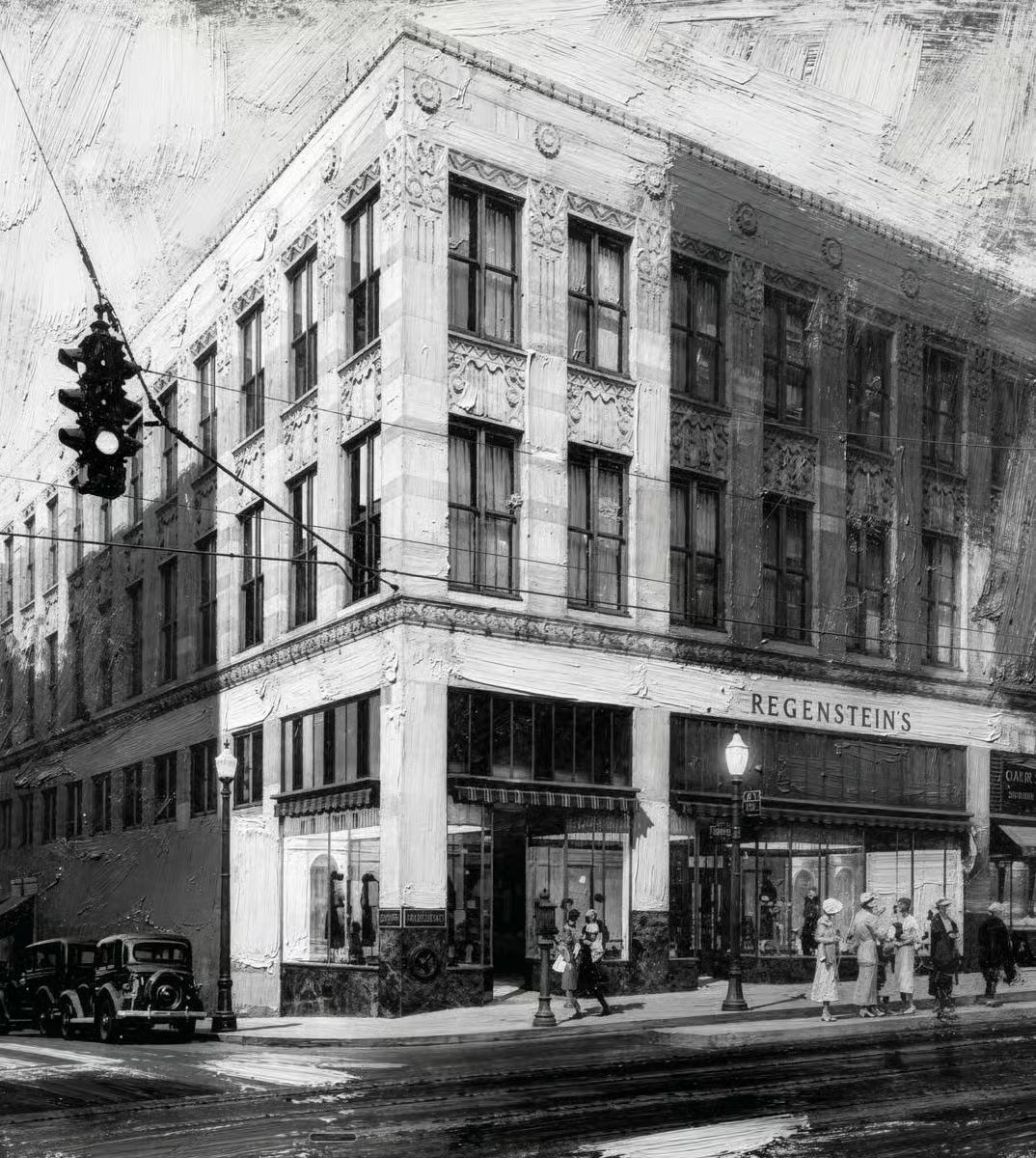
Regenstein's, 207 Peachtree, and the beauty of beginning again

Some buildings survive because they are protected. Others survive because a city keeps finding new reasons to need them. The Regenstein Building belongs to the second kind. Raised in the 1920s at Peachtree and Cain as an elegant women's fashion destination, it carried the confidence of a city dressing itself for the future. Decades changed its use, its name, and the life within its walls, yet the structure endured. Restored, reimagined, and now reborn as 207 Peachtree, it has become something larger than preservation: a conversation across generations. The brick remembers. The windows remember. And inside, the Grand Ballroom proves that history need not be frozen to be honored. Sometimes the most faithful act is to give an old building another beautiful life. Once more.

Back to collection
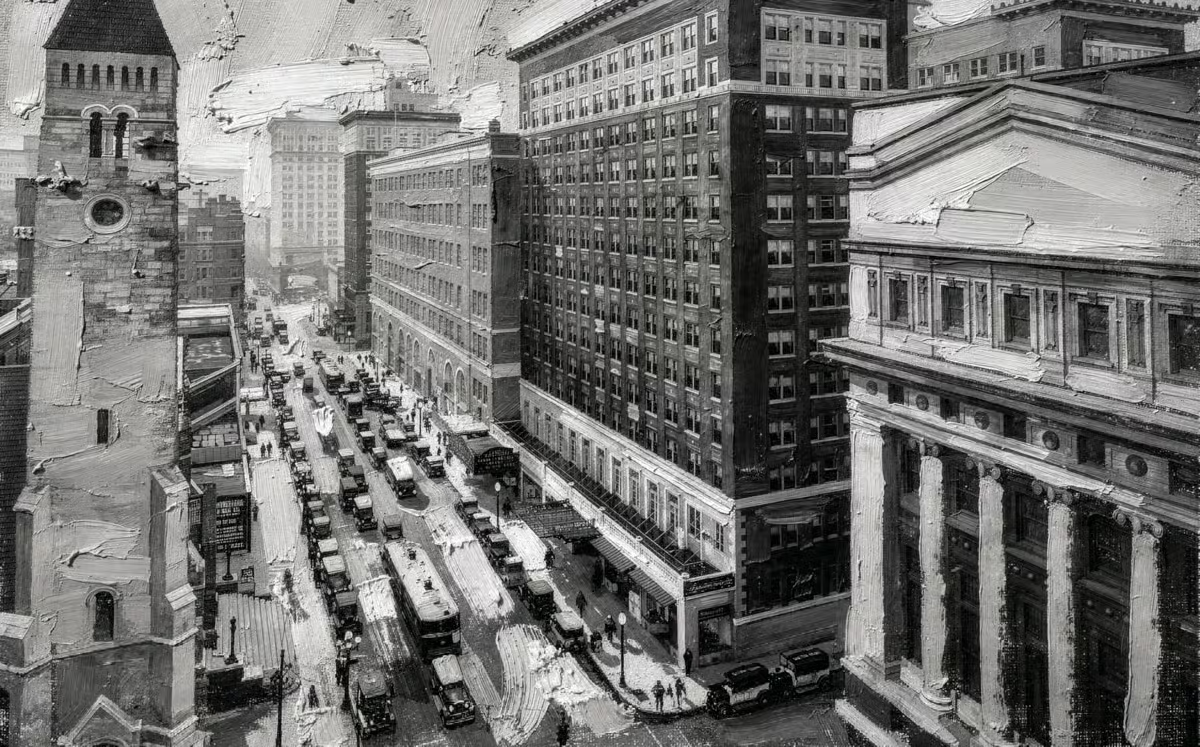
The Corner Of Becoming — digitally composed mixed-media artwork

The Corner Of Becoming

Peachtree, Cain, and the pulse of a city inventing itself

Atlanta has always announced its future at the street corner. Here, at Peachtree and Cain—now Andrew Young International Boulevard—faith, commerce, traffic, and ambition once pressed against one another in plain sight. The First Baptist Church held this ground before the Regenstein Building rose in 1925; across the way, the Masonic Temple stood with the confidence of a city learning its own scale. Automobiles crowded the streets, towers gathered behind them, and the skyline began to speak in a new tense. Buildings have vanished, names have changed, and the city has climbed higher, but the current remains. This corner is not a relic. It is a pulse—proof that Atlanta has always been most alive while becoming something it had not yet been. The old current still moves here.

Back to collection
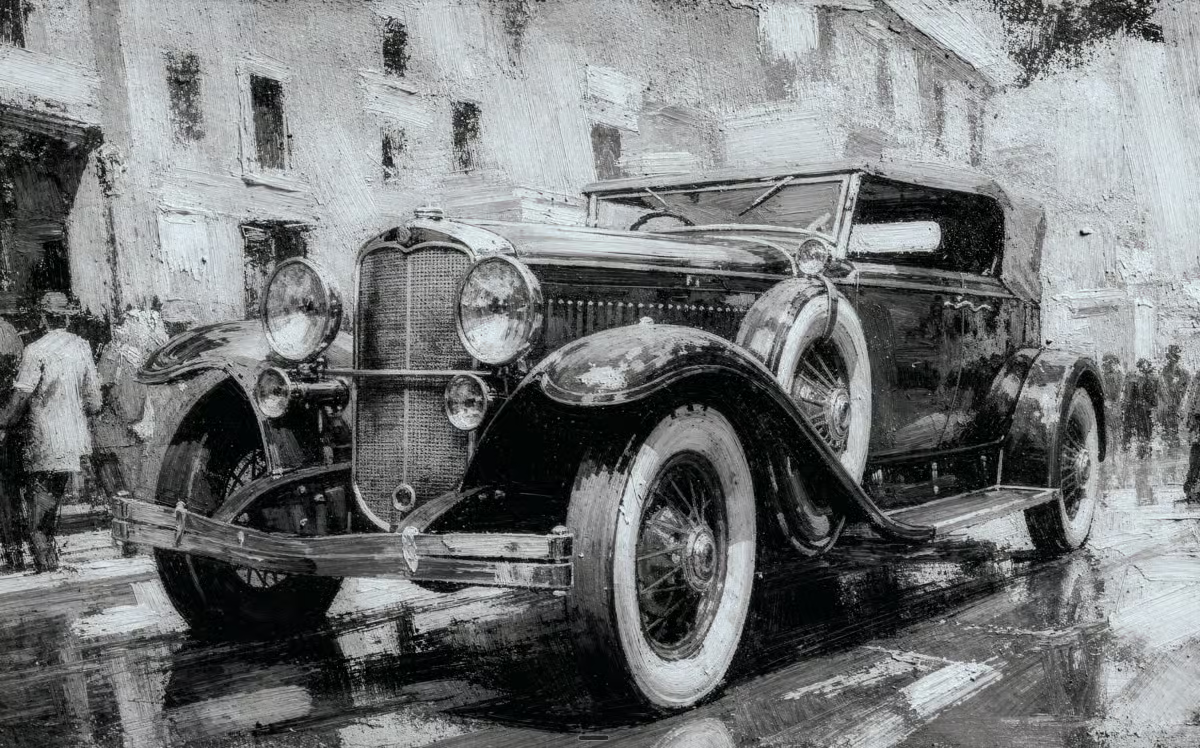
The City Learns To Move — digitally composed mixed-media artwork

The City Learns To Move

The automobile and the moment Atlanta's sense of distance changed

The automobile did more than place Atlanta on wheels; it altered the city's sense of distance, appetite, and time. By the 1920s, streets once ruled by footsteps and streetcars were filling with motorcars, and a new rhythm entered life. In 1928, automobiles moved through the General Motors assembly plant at Lakewood as if the future itself had found a production line. Steel, rubber, glass, gasoline: ordinary materials became instruments of possibility. Neighborhoods stretched outward. Work and leisure drifted beyond the center. The city learned to move faster than memory could keep pace. This work holds that charged moment between invention and consequence—the instant when mobility stopped being a luxury of movement and became one of the forces that would redraw Atlanta.

Back to collection
A Wedge Against The Sky — digitally composed mixed-media artwork

A Wedge Against The Sky

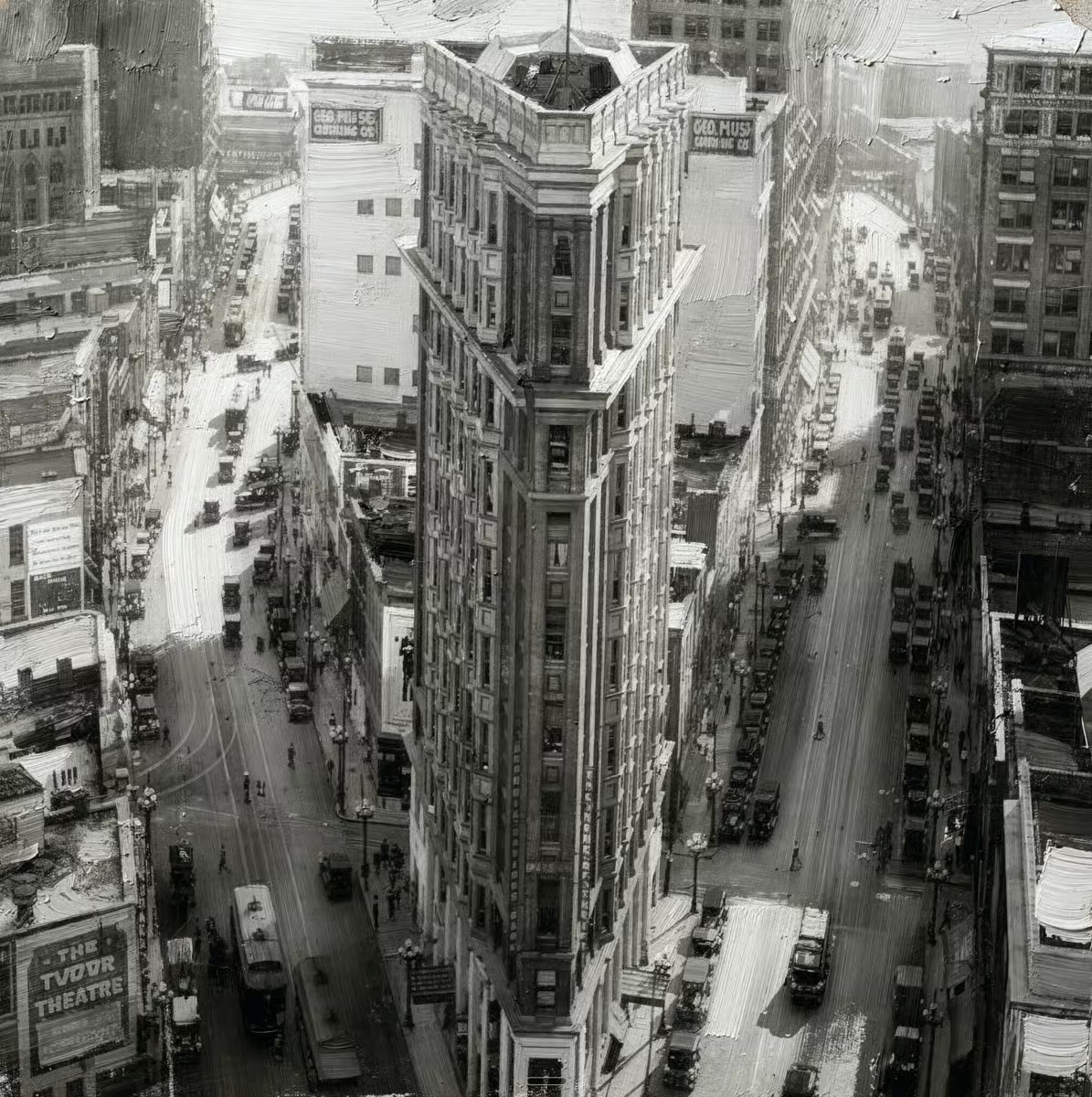
The Flatiron Building and the audacity to rise

Before Atlanta's skyline became familiar, there was the audacity to rise at all. Completed in 1897, the Flatiron Building turned a difficult triangular parcel at Peachtree, Broad, and Poplar into an act of architectural confidence. Its steel frame allowed the city to imagine height differently, while its shape accepted the pressure of the streets rather than resisting them. That is its quiet genius: the building does not stand apart from movement; it is formed by it. Older than New York's famous Flatiron, it remains an early surviving declaration that the city intended to grow upward. In this image, architecture becomes ambition made visible—a narrow wedge of masonry and steel cutting into the air, holding ground while pointing toward a skyline that had not yet arrived.

Back to collection
A Tower For Tomorrow — digitally composed mixed-media artwork

A Tower For Tomorrow

Fountain Hall and the architecture of knowledge, resilience & possibility

Fountain Hall rises from Atlanta's history with a different monumentality: the power of becoming through knowledge. Atlanta University opened after the Civil War, and the building first known as Stone Hall became an architectural center of an institution built around education, discipline, and possibility. Within this tradition, generations of Black students, scholars, teachers, and leaders helped expand intellectual life of the city and the nation; W. E. B. Du Bois would become one of its defining figures. Later part of Morris Brown College and renamed Fountain Hall, the building still stands as witness. Its tower reaches upward like a declaration that learning can be shelter, resistance, inheritance, and a way of building futures before the world is ready to see them.

Back to collection
Before The Skyline — digitally composed mixed-media artwork

Before The Skyline

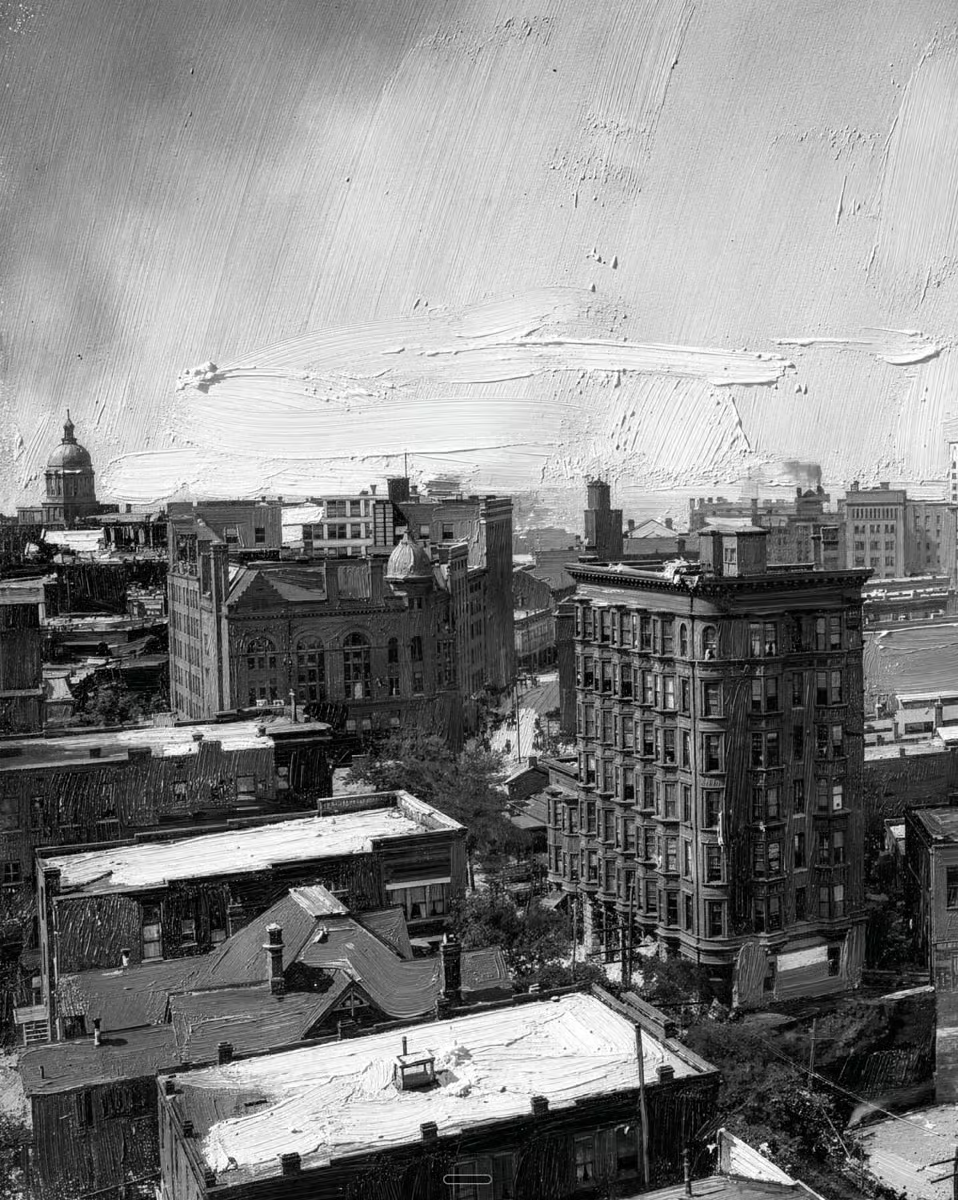
Peachtree in 1905, suspended between what was and what would be

Every city has a moment when the future is visible only as empty space. In this 1905 view south from Peachtree and Houston, Atlanta appears caught between what has been built and what is waiting to rise. The Flatiron Building commands the scene, streetcar tracks thread the corridor, and the dome of the Georgia State Capitol holds the distance. Yet near the center is an open lot—the absence that would soon become the Candler Building. That unbuilt ground gives the image its power. It lets us see Atlanta before certainty, before the skyline hardened into memory. Atlanta is unfinished here, and therefore full of possibility. The work asks us to look not only at what stands, but at what is about to exist: ambition in its most fragile form, still invisible, already underway.

Back to collection
The Sky Was Next — digitally composed mixed-media artwork

The Sky Was Next

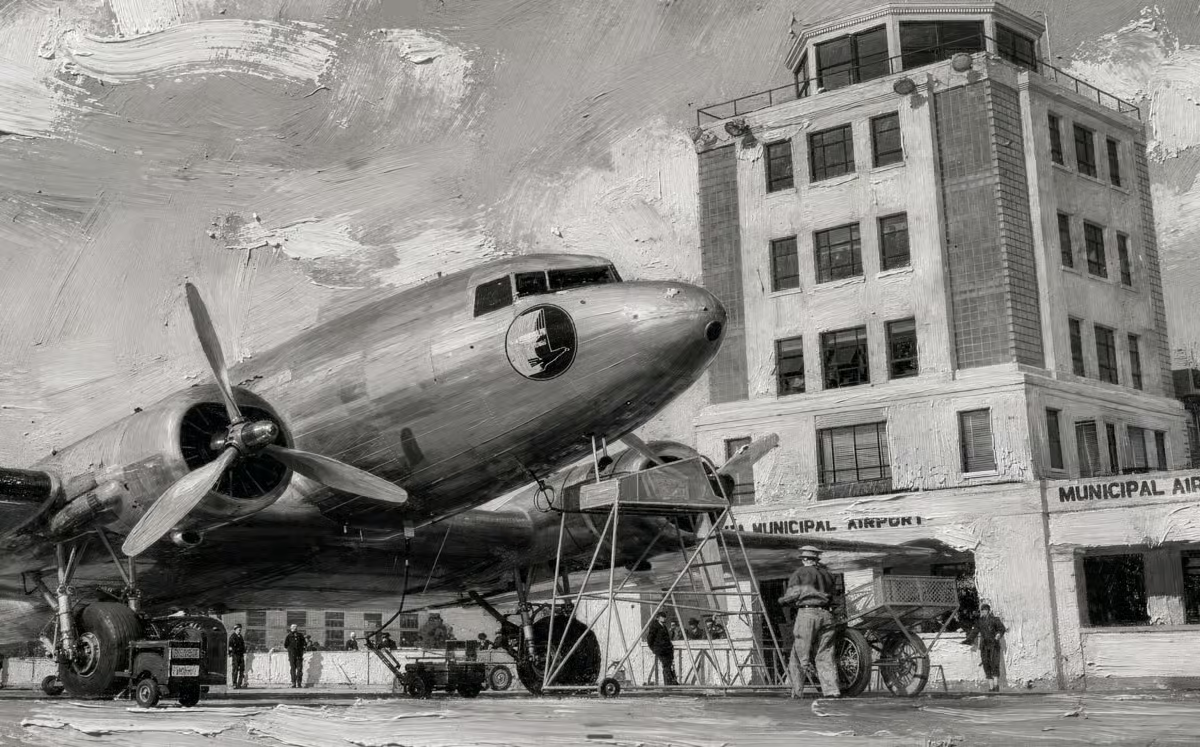
Candler Field and the moment Atlanta looked beyond the horizon

Atlanta's relationship with the sky began on borrowed ground. In 1925, the city leased an abandoned racetrack in Hapeville and named it Candler Field; within years, mail and passengers moved through ground once built for circles, not horizons. The transformation is almost mythic: a racetrack becomes an airport, an airport becomes a gateway, and Atlanta learns to measure itself against the world. Control towers rose, runways multiplied, and Atlanta's reach extended far beyond its streets and rail lines. What would become Hartsfield-Jackson Atlanta International Airport began with a simple civic wager—that distance could be overcome. This work holds the romance of that wager: the machine at rest, the sky waiting, and a city on the ground already imagining everywhere else.

Back to collection
When Atlanta Looked Up — digitally composed mixed-media artwork

When Atlanta Looked Up

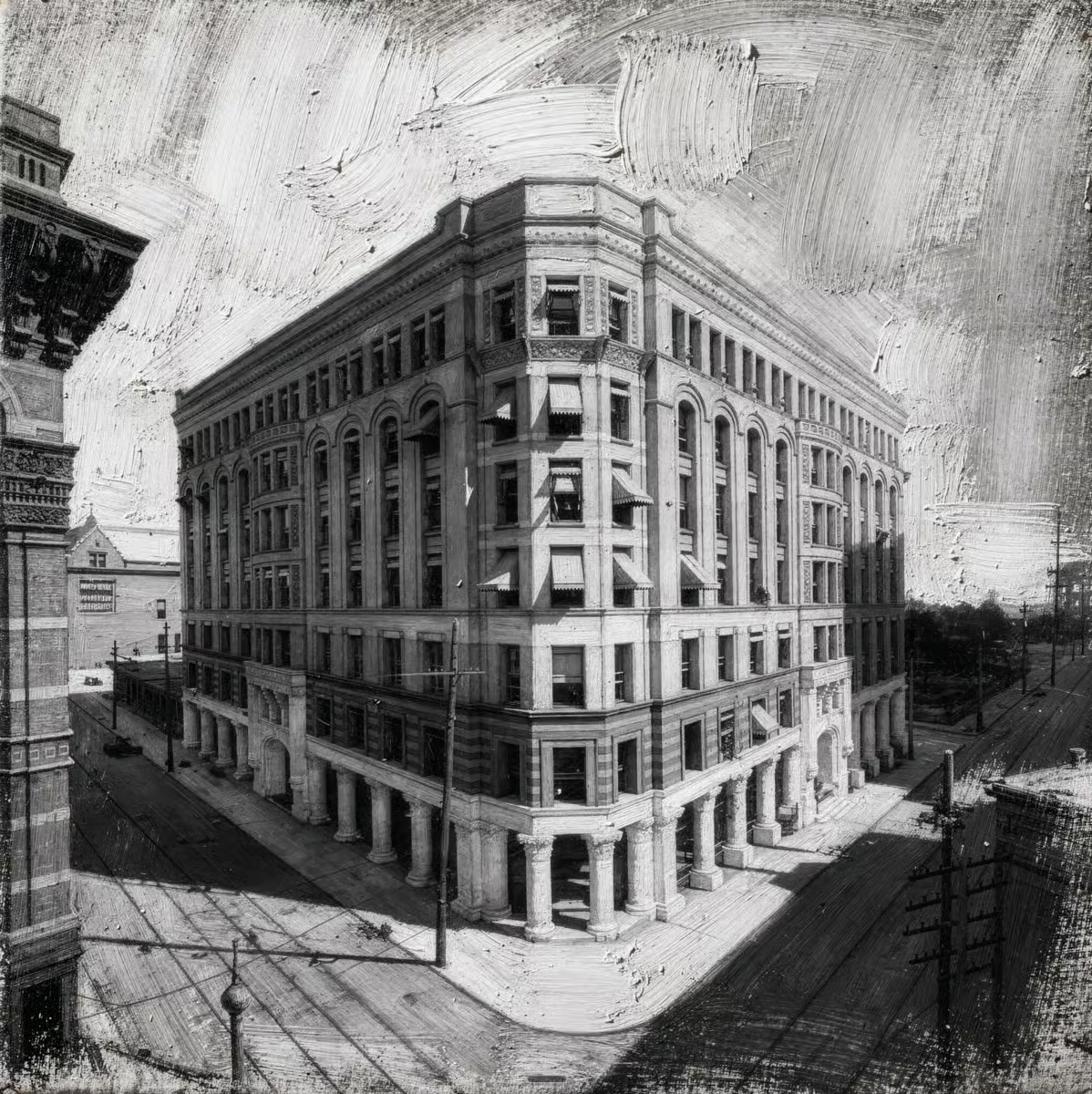
The Equitable Building and the first gesture toward the sky

Before the great towers, Atlanta had to learn what it felt like to look up. The Equitable Building, completed in 1892 at 30 Edgewood Avenue, rose eight stories above a city still accustomed to a smaller scale. Designed by Burnham and Root, it became an early home to the professional and financial life of a changing Atlanta, linking architecture to the invisible systems of money, law, trust, and ambition. The building was demolished in 1971. But disappearance does not erase influence. Cities are built as much from what is gone as from what remains. This work treats the Equitable as a first gesture—a hand raised toward the sky. Its physical presence vanished, yet the idea it carried forward became permanent: Atlanta could rise, and once it began, it would not easily stop.

Back to collection
Distance Made Possible — digitally composed mixed-media artwork

Distance Made Possible

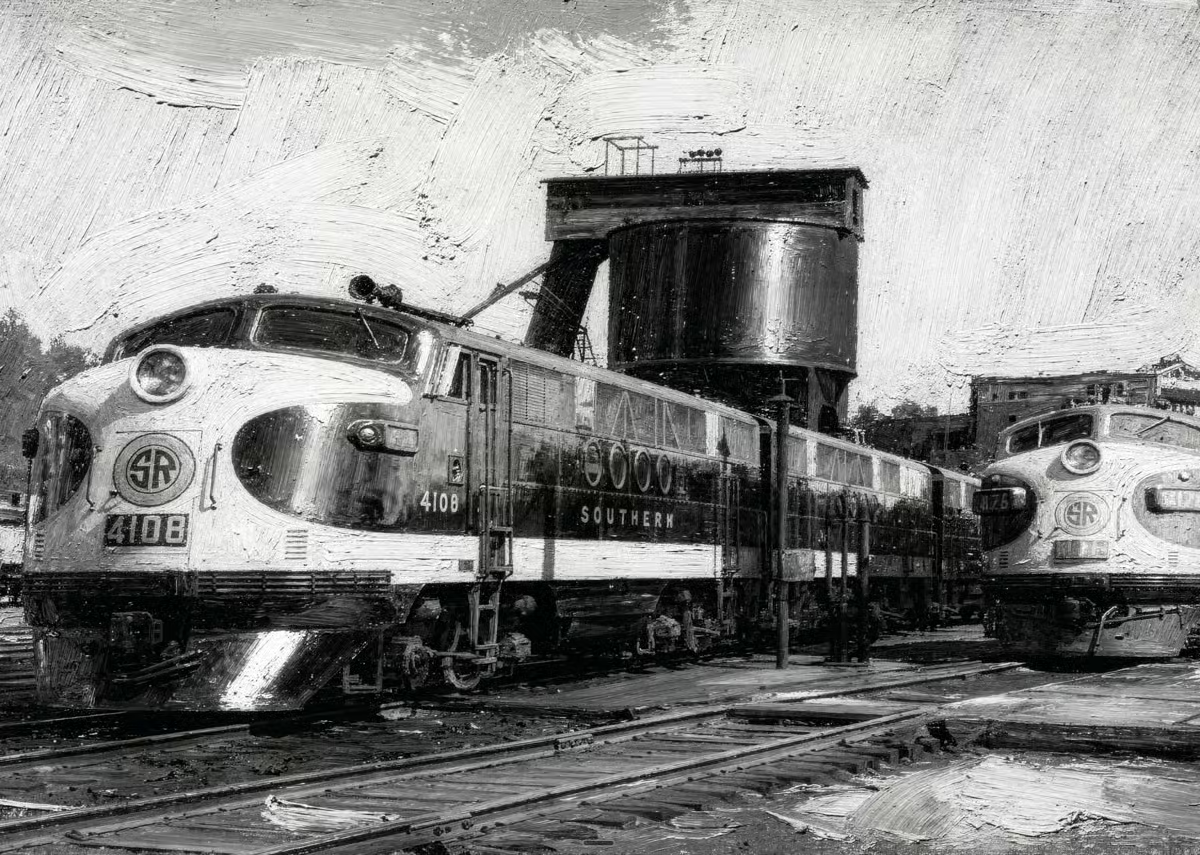
Southern Railway and Atlanta as a city of connection

A railroad is a promise made in steel: that somewhere else can be reached. From the late nineteenth century into the next, Southern Railway placed Atlanta at the center of a widening map, sending passengers, freight, ideas, and industry outward while drawing the region inward. In the downtown Gulch, Atlanta lived by arrivals and departures. Platforms filled, engines breathed, goods changed hands, and distance became negotiable. Lines reached toward Washington, Cincinnati, Jacksonville, New Orleans, and beyond. The railroad helped turn Atlanta from a place on the map into a connection point. This work remembers that era not as machinery alone, but as longing organized into tracks—the human desire to leave, return, trade, discover, and know what waited beyond the horizon.

Back to collection

Let’s make room
for your occasion.

Every unforgettable occasion starts with a conversation.

Plan your event
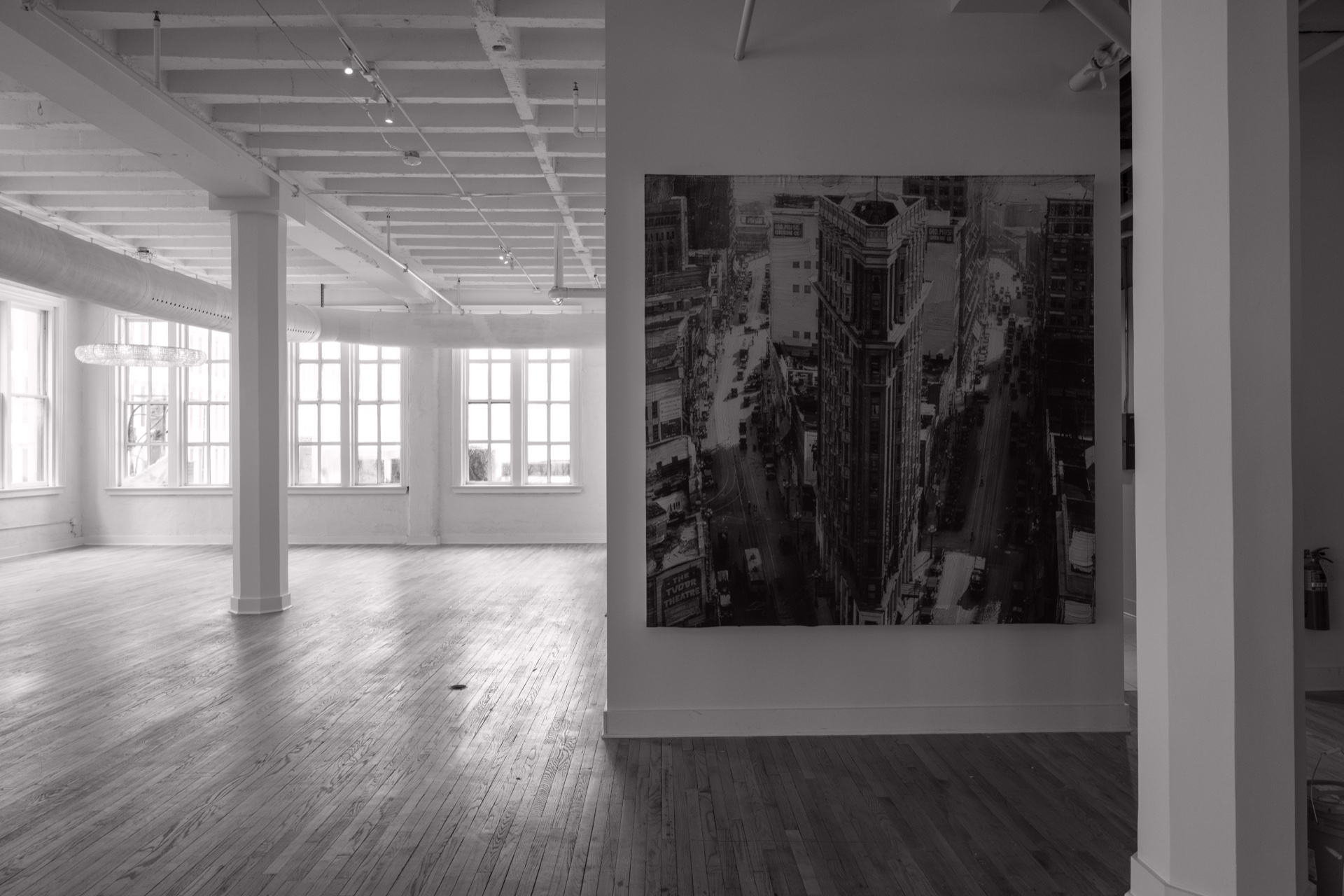
A large Atlanta city artwork mounted beside the ballroom’s white columns, windows and wood floor.